2026-10-24 ·
Step-By-Step Chimney Crown Inspection For Older Homes In Berkeley
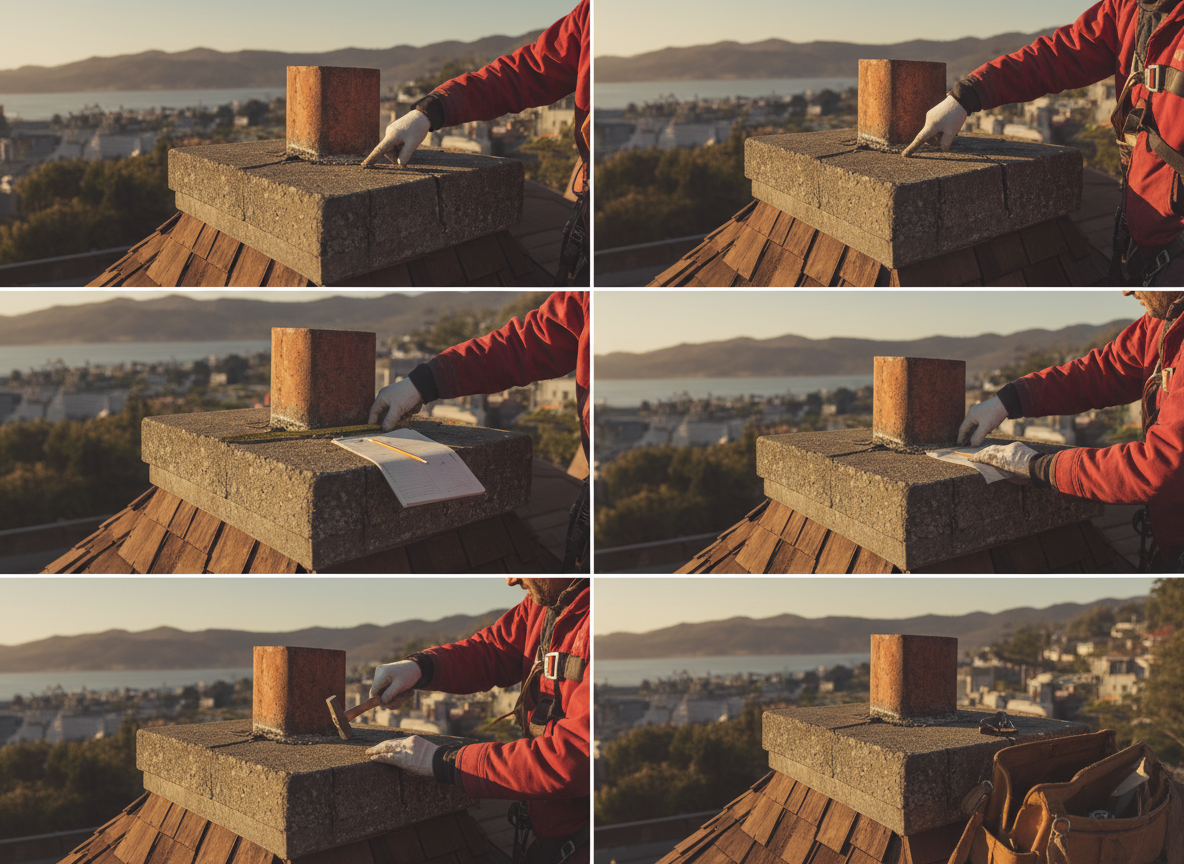
Inspecting the chimney crown on older homes in Berkeley Heights starts with a ground-level visual scan followed by closer checks from a safe ladder position, taking 30 to 60 minutes when done methodically. This reveals hairline cracks, missing mortar, and pooling water that allow moisture into the flue and attic spaces common in mid-century homes here.
Gathering Tools and Safety Setup
Begin by assembling a sturdy extension ladder rated for your weight, a bright flashlight, binoculars for initial viewing, a notepad, and a moisture meter if available. Position the ladder on firm ground away from power lines and have a spotter present. In Berkeley Heights neighborhoods such as those near Springfield Avenue, older brick homes often sit on slightly sloped lots where runoff can pool against the chimney base, making stable footing essential. Check weather conditions first—avoid inspection during or right after heavy rain when surfaces stay slick. Wear gloves and eye protection because loose debris frequently falls during close examination. This preparation prevents accidents and ensures every visible surface of the crown receives attention without rushing.
Exterior Visual Examination
Stand back 20 to 30 feet and use binoculars to scan the entire crown for obvious gaps, vegetation growth, or discoloration streaks running down the brick. Move closer and examine the crown surface for spider-web cracks wider than 1/16 inch, which indicate ongoing freeze-thaw stress during New Jersey winters. Note any areas where the crown slopes inward instead of shedding water outward; this design flaw appears often on homes built before modern flashing standards. Check the joint where the crown meets the flue tile for open spaces that let rain enter the chimney chase. Record each finding with photos and approximate location so you can track changes over time or share details with a technician.
Checking the Seal and Surrounding Flashing
Run your hand along the edge of the crown where it meets the chimney sides, feeling for soft or crumbling mortar that no longer seals out water. In Berkeley Heights, many older chimneys feature metal flashing embedded in the crown; inspect this for rust holes or lifted edges that allow wind-driven rain to bypass the seal. Use the moisture meter on brick surfaces just below the crown to detect hidden dampness that signals an active leak path. Pay special attention to the rear side facing prevailing winds, as this area collects the most precipitation. If the flashing shows separation greater than 1/8 inch or the crown surface feels spongy under light pressure, these conditions point to the need for targeted repairs rather than simple cleaning.
Documenting Findings and Next Steps
Compile your notes into a simple list that includes crack locations, measurements, and any water stains observed inside the attic or on ceiling drywall near the chimney. Compare your observations against photos taken during previous inspections to spot progression. For homes in Berkeley Heights where chimneys serve both heating systems and fireplaces, schedule a full chimney inspection service if multiple issues appear. When damage extends beyond surface cracks, homeowners often review What Chimney Repair Typically Costs In Berkeley NJ to understand repair ranges before contacting chimney crown repair. Keep records for future reference and re-inspect annually before winter to maintain the chimney's integrity.